
Aberdeenshire Child Protection Committee has formally adopted the Criminal Exploitation of Children Scotland Framework for Practice, strengthening how services identify, understand and respond to Children and Young People who are criminally exploited or at risk of exploitation. The adoption of the Framework marks an important shift in how criminal exploitation is understood across the partnership. […]
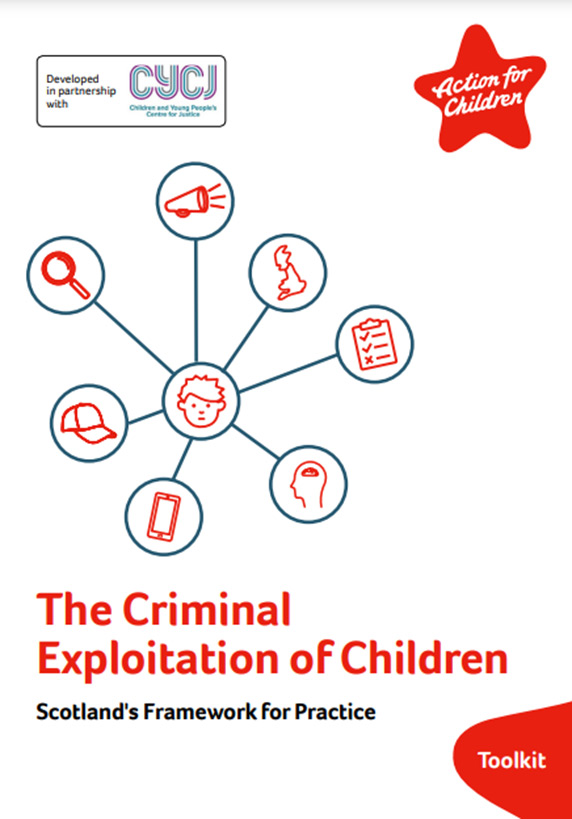
Aberdeenshire Child Protection Committee has formally adopted the Criminal Exploitation of Children Scotland Framework for Practice, strengthening how services identify, understand and respond to Children and Young People who are criminally exploited or at risk of exploitation.
The adoption of the Framework marks an important shift in how criminal exploitation is understood across the partnership. It reinforces the principle that Young People involved in criminal activity as a result of exploitation are Young People first and victims of harm, rather than offenders. This shared approach supports earlier identification, more consistent responses and stronger multi agency working to keep Young People safe.
Reframing Language and Understanding Exploitation
Central to the Framework is a reframing of language and understanding. Young People who are being exploited rarely identify themselves as victims. Instead, many believe they are making a choice, exercising control or gaining status, money or belonging. This belief can make exploitation harder to recognise and can delay support.
The Framework supports practitioners to move away from language that can unintentionally blame or criminalise Young People and instead use language that recognises coercion, grooming and power imbalance. This shift in language supports a shift in mindset, helping staff across all services recognise criminal exploitation as a child protection issue and respond through safeguarding and planning processes.
Practitioners are supported to look beyond behaviour and consider the wider context of harm, including peers, locations, adults or organised networks that may be exploiting Young People. This strengthens professional curiosity and supports a contextual safeguarding approach.
Learning from the Jay Report
Learning from the Jay Report reinforces the importance of this approach. The report highlighted how Young People were too often viewed as making choices rather than being recognised as victims of exploitation. It also identified how language, assumptions and professional culture contributed to missed opportunities to protect Young People and, in some cases, further harm.
By adopting the Criminal Exploitation of Children Framework, Aberdeenshire is responding directly to this learning. The Framework promotes a consistent, victim focused approach and helps ensure Young People are safeguarded through child protection and planning processes rather than being drawn into punitive or adult systems.
Lived Experience and Raising Awareness with Young People
Lived experience has played a key role in shaping local understanding of criminal exploitation. Over the past year, Adam Elliott, who has lived experience of criminal exploitation, has visited 11 Aberdeenshire academies, delivering sessions to two year groups in each school and speaking to over 3,000 young people.
These sessions are vital in helping young people understand what exploitation looks like, challenge myths around choice and control, and recognise when something is unsafe. This work supports young people to identify risk, seek help earlier and know where support is available.
Adam will return in August to visit the remaining academies, ensuring consistent awareness raising across Aberdeenshire. This work is a key part of prevention and early intervention and directly supports the aims of the Framework.
Supporting Staff in Practice
The Framework provides practical tools to support staff to identify, assess, analyse and respond to criminal exploitation. It strengthens confidence by offering clear indicators of exploitation, guidance on information sharing, and support for effective multi agency decision making. It also helps practitioners understand when and how to escalate concerns, ensuring risks are addressed early and proportionately.
A recent multi agency self evaluation highlighted gaps in shared understanding, training and consistency of response. Adoption of the Framework directly addresses these gaps and provides a clear foundation for improving practice across education, health, social work, police and the third sector.
Raising Awareness of Child Exploitation
Child Exploitation Awareness Day took place last week, providing an opportunity to highlight the risks and impact of exploitation on Young People. Aberdeenshire Child Protection Committee raised awareness through social media channels and the Aberdeenshire Council intranet, supporting consistent messaging across the workforce and wider organisation.
Raising awareness is essential to early identification and prevention and supports staff to recognise concerns sooner and respond appropriately when Young People may be at risk of harm outside the home.
Training and Next Steps
To support implementation of the Framework, a multi-agency webinar will take place on 28 May 2026, to launch the Criminal Exploitation of Children Framework for Practice. The webinar will introduce the key principles, reinforce the importance of reframing language and support early identification.
This will be followed by a rolling programme of training from September, ensuring staff across Aberdeenshire are supported to apply the Framework confidently and consistently in practice.
For more information see the professionals section of the Aberdeenshire Child Protection website.