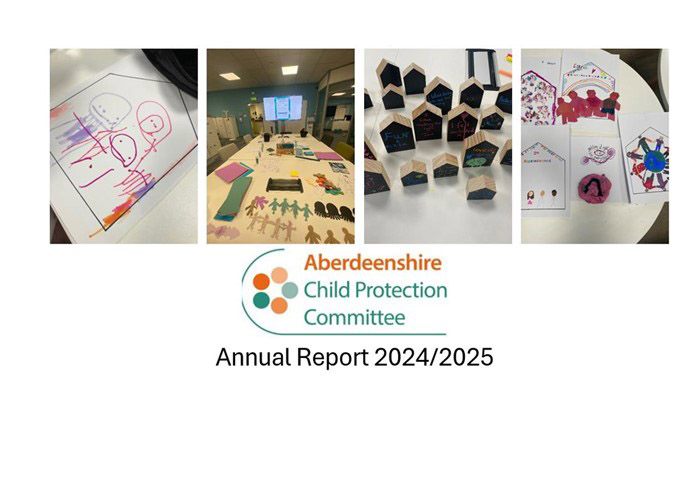

Strengthening practice through shared learning The Child Protection Committee and Bairns Hoose Collaborative Learning Day brought practitioners from across Social Work, Health, Education, Police and the Third Sector together for a shared day of learning, reflection and connection. Held in person, the day created valuable space for colleagues to step away from day-to-day pressures and […]
The Child Protection Committee and Bairns Hoose Collaborative Learning Day brought practitioners from across Social Work, Health, Education, Police and the Third Sector together for a shared day of learning, reflection and connection. Held in person, the day created valuable space for colleagues to step away from day-to-day pressures and focus on how we work together to keep children safe, supported and heard.
Feedback from practitioners was overwhelmingly positive, with many highlighting the real value of learning alongside colleagues from other agencies. Being together in one space supported open discussion, stronger understanding of roles and responsibilities, and honest conversations about thresholds, risk and decision making. Practitioners consistently reflected that hearing different professional perspectives helped challenge assumptions, build confidence and support more consistent child centred responses across services.
The evaluation showed a clear increase in practitioners’ confidence levels following the workshops. Across a wide range of topics, participants reported higher confidence in their understanding of child protection issues and greater assurance in applying learning to practice. Many practitioners described feeling more confident in managing disclosures, recognising harm, using professional judgement and contributing to multi agency decision making. This increase in confidence was closely linked to opportunities for discussion, scenario based learning and hearing directly from partner agencies.
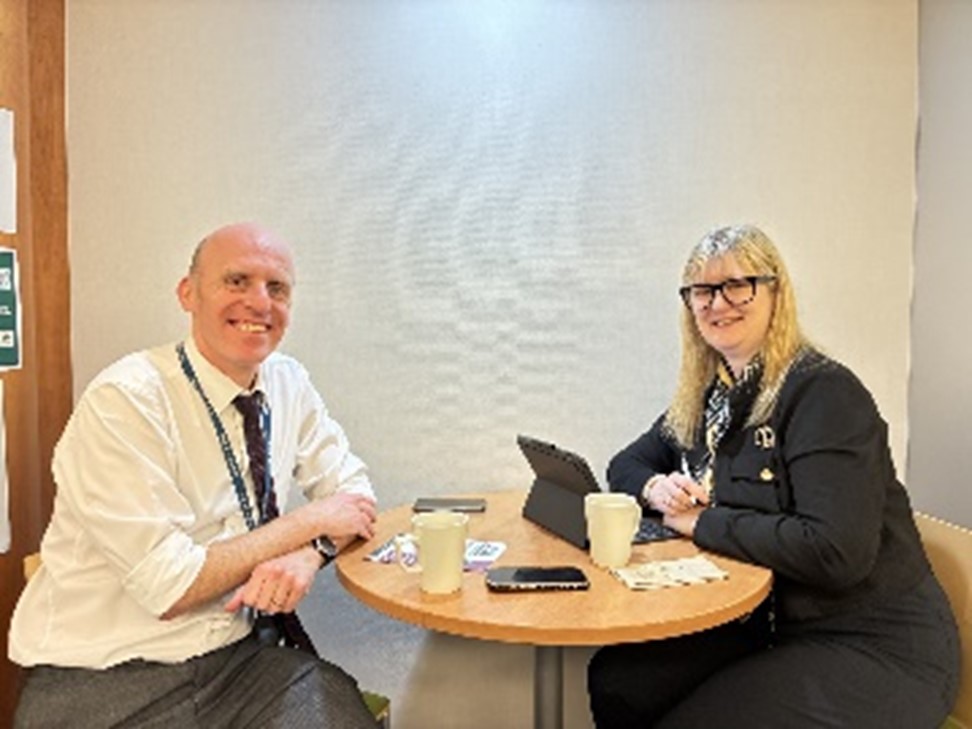
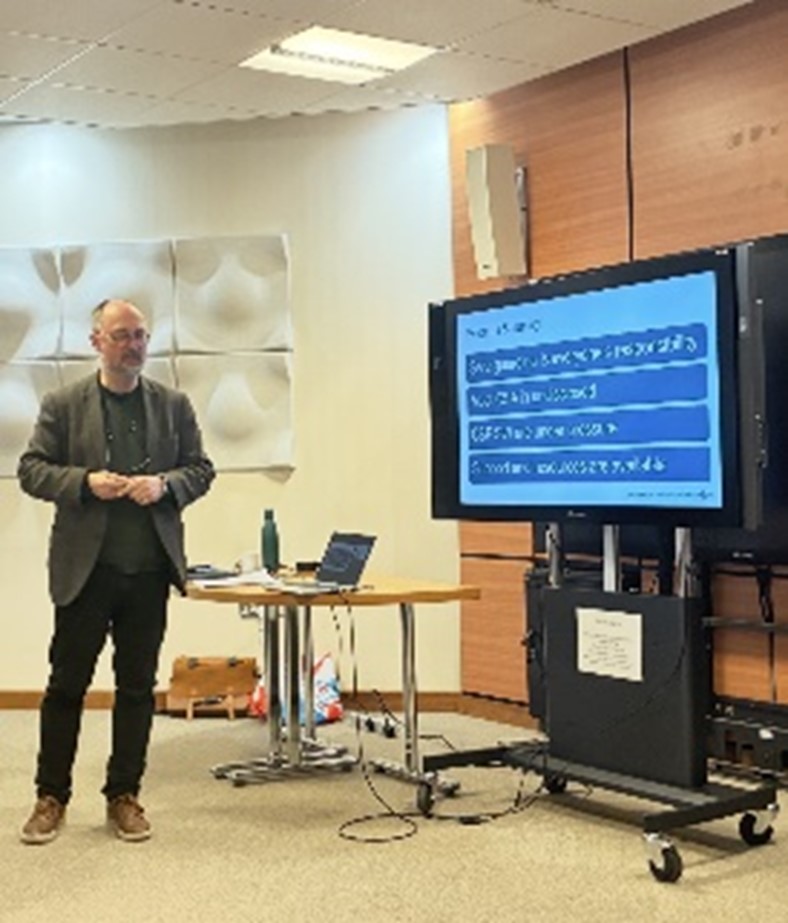
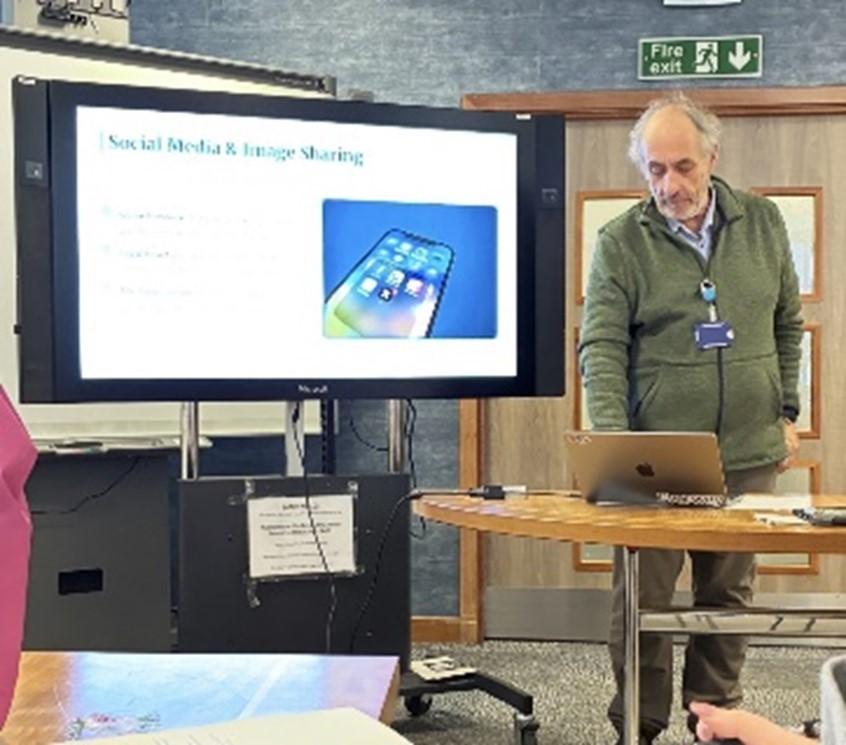
The range of workshops was particularly well received. Sessions covered key child protection priorities including neglect, child sexual abuse, criminal exploitation, digital safeguarding, professional curiosity, inter agency referral discussions and hearing children’s voices. Practitioners valued the balance between national context and Aberdeenshire specific practice, tools, and learning.
The Bairns Hoose inputs were a strong feature of the day. Practitioners reported that learning more about the Aberdeenshire Bairns Hoose model, the four rooms approach and trauma informed practice increased their confidence in understanding referral pathways, professional roles and how services connect around the child. For many, this reinforced the importance of shared language, early collaboration, and a rights-based approach to reducing harm and improving children’s experiences.
The marketplace and informal networking time were also highlighted as a key strength. Practitioners valued the opportunity to connect with a wide range of services, learn about support available for children and families, and build relationships that will support confident joint working beyond the day itself. Feedback clearly showed that these connections help practitioners feel better equipped to seek advice, share concerns, and work together in complex situations.
Importantly, learning from the day will directly inform the development of the Child Protection Committee Improvement Plan 2026 to 2029. Practitioner feedback identified clear priorities for improvement, including neglect, child sexual abuse, criminal exploitation, professional confidence, and workforce development. Insights from the evaluation and workshop discussions will shape future actions, ensuring the improvement plan reflects lived practice experience and strengthens confidence across the multi-agency workforce.
The Collaborative Learning Day reinforced a clear message. Strong child protection relies on confident practitioners, strong relationships, and shared understanding across agencies. By learning together, reflecting on practice, and building connections, we strengthen our collective ability to protect children and uphold their rights.